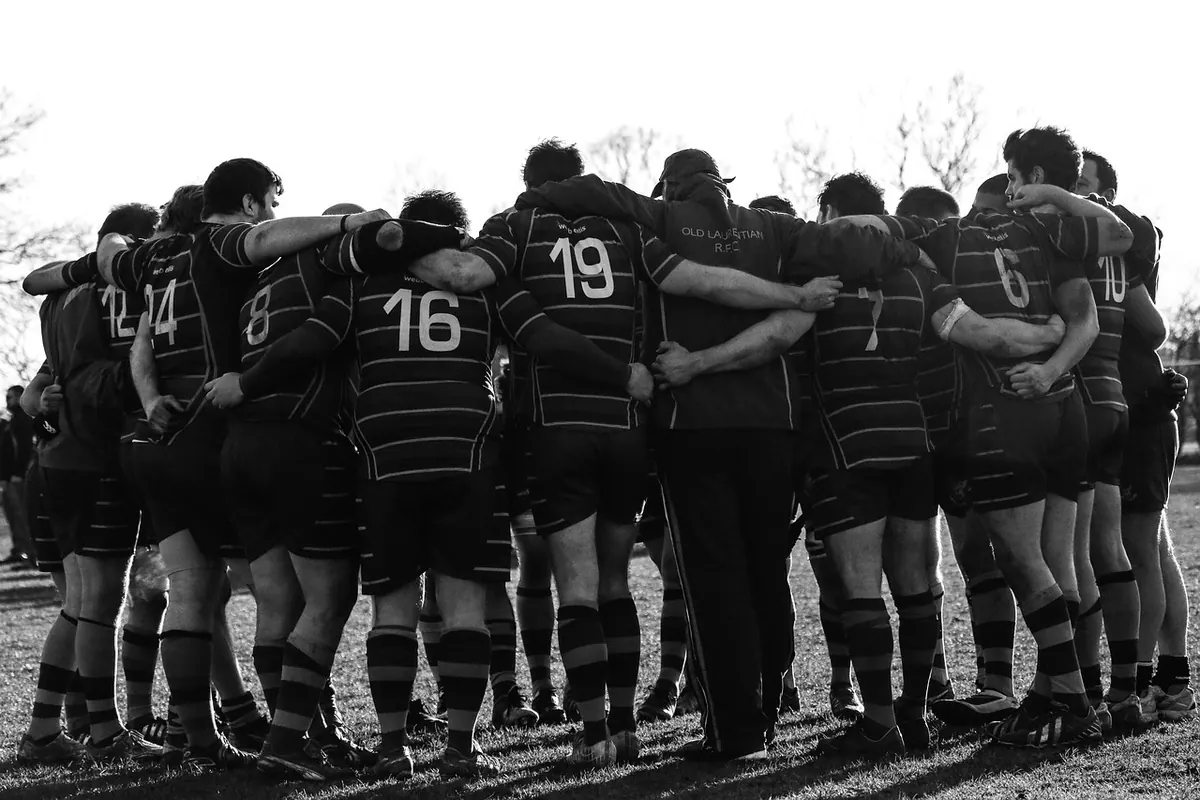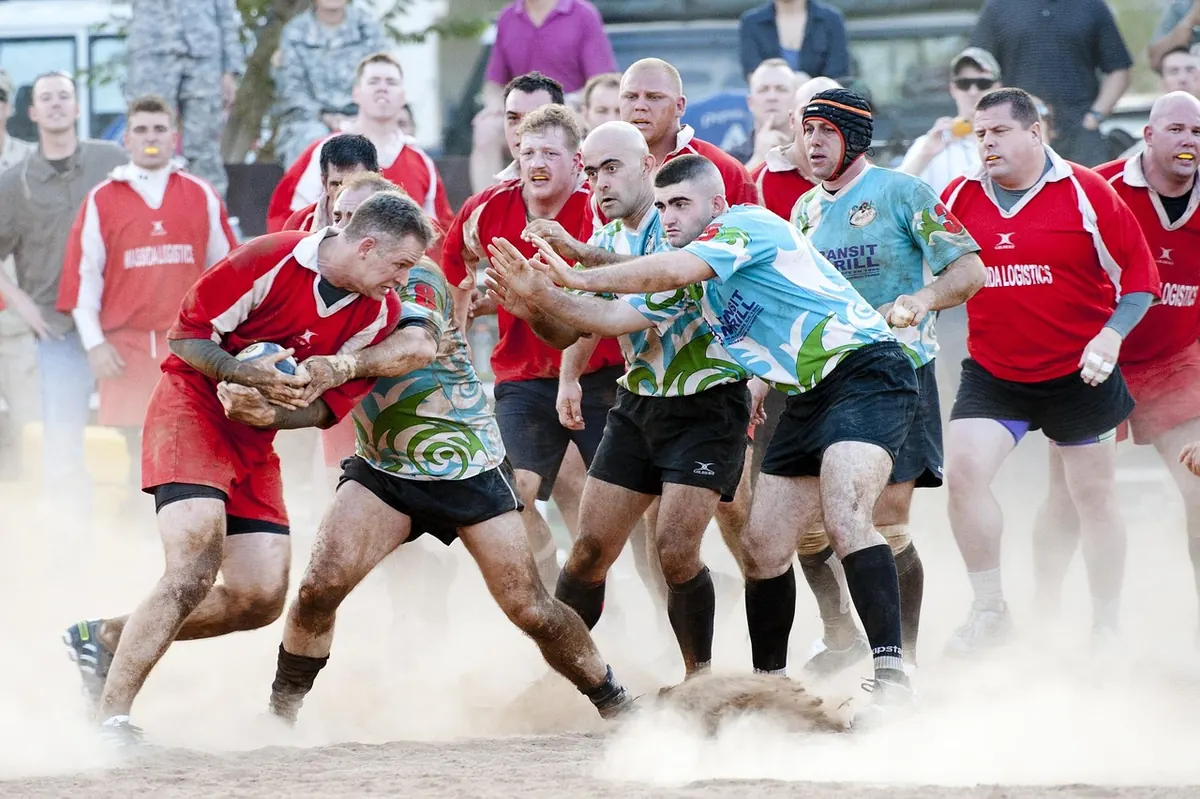
A rugby ground sounds nothing like it does on television. The collisions land harder, the crowd sits closer to the pitch, and the ball spends far more time in the air than a highlights reel suggests. The sport also runs on its own rhythm, and once you understand it, the whole afternoon clicks into place. Here is how to prepare for your first live match so you spend your time watching rather than wondering what just happened.
Tickets, Gates, and Getting There
Start with the type of ticket. A seat in the stands gives you a fixed view, a place to put your bag and a comfortable afternoon if you are bringing children or anyone who struggles to stand for two hours. A standing terrace is cheaper, louder and usually where the singing starts. It also means standing the entire match, arriving early if you want a spot against the rail, and accepting that the view shifts as people move around. Both are good, they are just different days out.
Buy through the club or the official tournament seller rather than a resale site, and check the ground's own information page before you travel. Bag size limits, cashless turnstiles and security queues vary from venue to venue, and a five-minute read on the club website saves an argument at the gate. Aim to arrive an hour before kick-off. Derbies and internationals fill the surrounding streets early, parking near the ground is scarce and usually pre-booked, and public transport gets crowded in the final thirty minutes.
Food and drink inside the ground are priced like any major sporting event, and queues at half-time are long. Eating before you go in, or grabbing something as soon as you get through the gates, is the practical move.
What to Wear
Most rugby grounds are open to the weather, and a February night at a stadium with three exposed sides is a different proposition from a sunny September afternoon. Layers beat a single heavy coat. You want a waterproof outer shell, something warm underneath, and a hat you can pull down over your ears when the wind picks up. In summer, bring sun cream and a cap; shade is scarce.
Footwear matters more than people expect. You will be standing on concrete concourses and possibly on a terrace for several hours. Comfortable shoes, ideally waterproof, will treat you far better than anything fashionable.
On colours: wearing your team's shirt is part of the fun, and rugby crowds are generally relaxed about mixed groups. That said, some local rivalries carry more edge than others, and a neutral jacket is never the wrong answer if you are unsure. Leave anything at home that you would be upset to lose.
The Kit Checklist
- Digital ticket, plus a screenshot in case the signal drops
- Photo ID if the venue or competition requires it
- A small bag that fits the ground's size rules
- Waterproof jacket and a warm mid-layer
- Power bank for your phone
- Earplugs or ear defenders, especially for younger children at loud venues
- Any medication you need during the day, in its original packaging
- A little cash, though assume the ground is card-only
If you have accessibility needs or a health condition that might be affected by crowds, noise or cold, contact the club in advance. Venues handle accessible seating, assistance and first-aid queries directly, and they would much rather answer them the week before than on the day. For anything medical, speak to your own doctor about your own circumstances first.
What Actually Happens Over 80 Minutes
A match is two 40-minute halves with a short break in between, fifteen players per side plus replacements on the bench. The stadium clock stops at the referee's signal for injuries, video reviews and other delays, so 80 minutes of match time can comfortably take two hours of your afternoon. Plan your journey home around that.
The scoring is worth learning before kick-off, because it explains why teams take certain decisions. A try is five points. The conversion kick that follows is worth two. A penalty kick at goal is three, and a drop goal is three. That is why a side trailing by four points will turn down a kickable penalty and go for the corner instead.
The game stops and starts far more than newcomers expect. Scrums, lineouts, penalties and video checks break it up, then play explodes into a few seconds of chaos. When a ruck forms, resist the urge to watch the pile of bodies. Look at the wide channels, where the next pass is going and where the space is opening.
Chants, Cheering, and Ground Etiquette
The main thing to know is that rugby crowds cheer in bursts, not continuously. A big hit, a turnover, a break down the touchline, a scrum that shoves the opposition backwards: those are the moments the noise arrives. Between them, people talk, watch and wait.
Go quiet for kicks at goal
When a kicker lines up a penalty or a conversion, the ground goes silent. This applies to both teams, home and away. It is one of the sport's strongest traditions, and shouting through it will earn you a row of turned heads faster than anything else you could do.
Boo the decision, not the person
Groaning at a referee's call is normal. Sustained personal abuse is not, and stewards will act on it. Rugby has a long tradition of respect for officials, and while crowds are hardly saintly, there is a line and most people stay behind it.
Learn the songs by listening
Every club and country has its own repertoire. England supporters sing "Swing Low, Sweet Chariot"; many clubs have a signature anthem that starts from one section and spreads. International matches bring national anthems, and a New Zealand fixture brings the haka, which is worth arriving early to see in person. Do not try to start a chant you only half know. Listen for a match or two, join the simple ones, and you will pick up the rest quickly.
Mind the people around you
If play is going on, stay in your seat or your spot on the terrace. Walking along a row during open play blocks the view of everyone behind you. Save the trips for half-time or a stoppage. If you are tall and standing on a terrace, glance behind you: offering to swap places with a child or a shorter spectator costs you nothing and buys you a lot of goodwill.
A Simple Plan for Match Day
Check the ground's rules and travel options a few days out. Leave early, arrive an hour before kick-off, and eat before the queues build. Wear layers and shoes you can stand in. Learn the scoring, watch the wide channels, cheer the big moments, and go silent for kicks at goal. Stay for the full eighty minutes, even if the result looks settled, because late tries are a habit in this sport. Then follow the crowd away from the ground, find a pub, and let the second half of the conversation be about what you saw.
Photo: Pexels / Pixabay