Siya Kolisi's career is easy to reduce to a single photograph: a broad grin, a Springbok jersey, the Webb Ellis Cup held above his head. The story behind the picture is longer, rougher and far more useful — a boy from a township outside Port Elizabeth who learned the game on uneven ground and ended up captaining South Africa to two World Cup titles.
Zwide, and the making of a loose forward
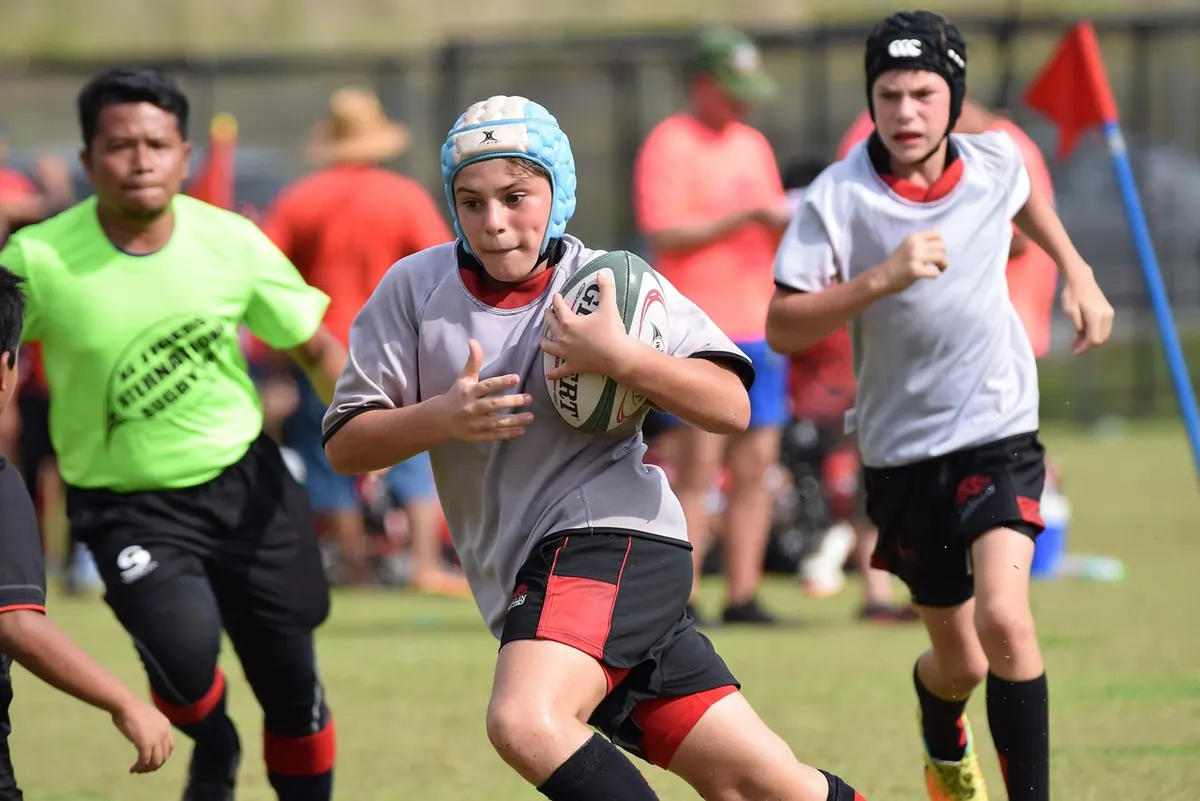
Kolisi was born in June 1991 in Zwide, a township in the Eastern Cape, part of what is now Gqeberha. His mother died when he was young, and he was raised largely by his grandmother. Money was short. He has spoken about going to school hungry and about the local club, the African Bombers, where township children got their first organised coaching.
The break came through a rugby scholarship to Grey Junior School and then Grey High School in Port Elizabeth. It put him in a different world: better fields, better coaching, a boarding routine — and the difficult experience of being one of very few Black pupils in a school rugby system with a long, complicated history. He has been honest about the loneliness of those years and about the regular trips back to Zwide at weekends.
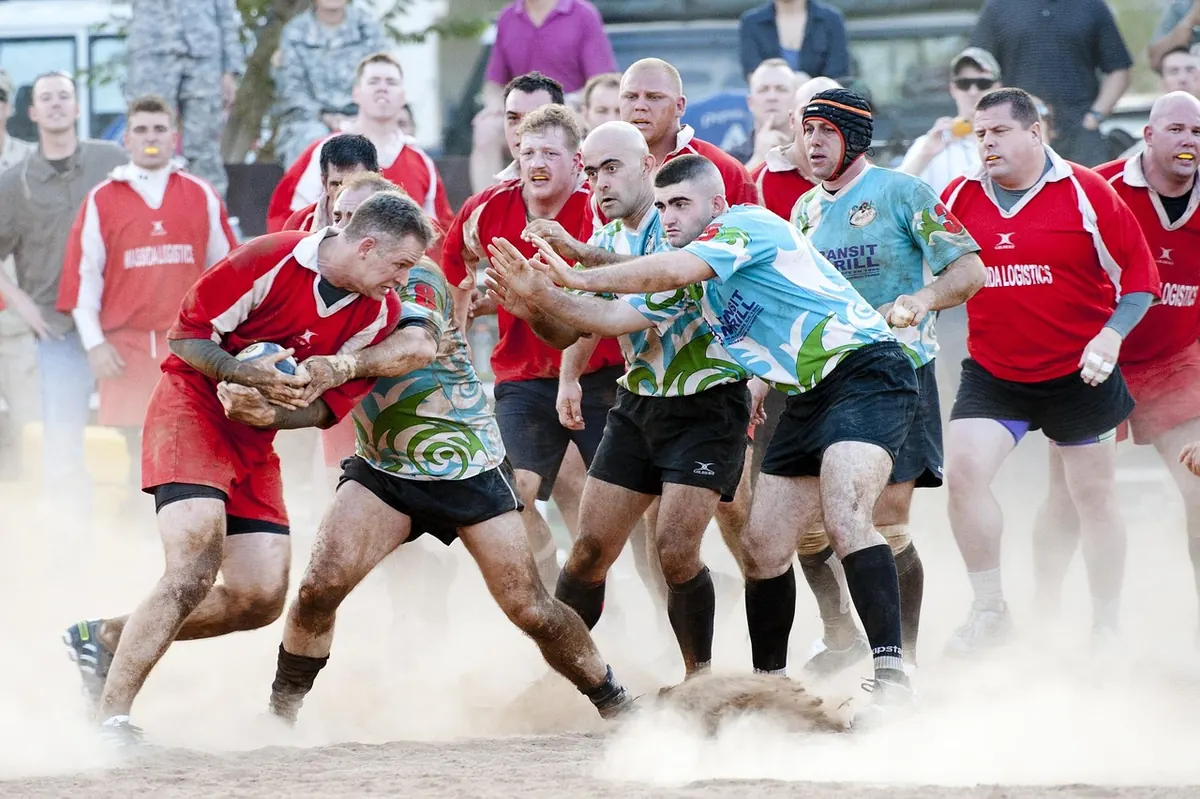
What came out of it was a habit he has relied on ever since: he worked at the parts of the game nobody claps for. Carrying into contact. Getting back to his feet. Tackling again.
The long climb to a Springbok jersey
Kolisi came through Western Province's structures, played age-group rugby, made his Currie Cup mark and then established himself with the Stormers in Super Rugby as a physical, hard-working flanker who could carry, hit and compete at the breakdown.
His Springbok debut came against Scotland in 2013. The years that followed were not a straight line. There were injuries, stretches out of the squad, and a period when plenty of people wondered whether a talented flanker would turn into a genuinely important Test player. He did it the slow way — by becoming more durable, more disciplined at the breakdown, and more useful in the unglamorous moments of a match.
Captain of the Springboks
When Rassie Erasmus took charge of the national team in 2018, he handed Kolisi the captaincy. The significance went beyond the dressing room: Kolisi became the first Black African to captain the Springboks, a team that had been racially selected for most of its history.
His leadership style is not the shouting kind. He builds relationships, delegates to senior players around him, and tends to speak plainly about where the team is. He also carries a weight most captains never face — every press conference becomes a conversation about race, poverty and what the jersey means in a country still working through its past. He has generally answered those questions with patience rather than defensiveness.
Japan 2019: the first title
South Africa lost their opening pool match to New Zealand, then built steadily through the tournament. They beat Japan in the quarter-final, edged Wales in the semi-final, and produced a dominant forward performance to beat England 32–12 in the final in Yokohama. Kolisi lifted the trophy a decade after watching the 2007 final from a township tavern.
The years after were testing. Injury problems limited him in 2020, form dipped, and he moved from the Stormers to the Sharks in 2021. Questions about whether he would remain captain going into the next World Cup followed him for two seasons.
France 2023: doing it again
The 2023 campaign may be the more impressive of the two. South Africa survived a brutal quarter-final against France, won a one-point semi-final against England, and then beat New Zealand 12–11 in the final in Paris, playing much of the last twenty minutes with a man in the sin bin. Kolisi became one of only two captains to lift the Webb Ellis Cup in consecutive tournaments, and South Africa became the first nation to win it four times.
He then took his career abroad, joining Racing 92 in Paris in 2024, which extended his playing life at club level while keeping him in the national frame.
Beyond the ninety minutes
Rugby has only ever been part of Kolisi's work. He published an autobiography, Rise, in 2021, and the Siya Kolisi Foundation, launched after the 2019 World Cup, focuses on food security, education and gender-based violence. He and his wife Rachel announced their separation in 2024, and he has kept his public role as a figure children in South African townships can point to.
Careers at the top are rarely built on talent alone. They are built on years of being useful, coachable and available.
What players and coaches can take from his career
- Do the unglamorous jobs well. Kolisi's value has always been in defence, the breakdown and hard carries, not highlight reels. That is the part of the game a coach can trust every week.
- Use your own reason. He has spoken about playing to support his family and his community. A clear personal why survives bad form better than external praise.
- Take the honest coaching. He improved most when he was told uncomfortable truths about his fitness and discipline, not when he was flattered.
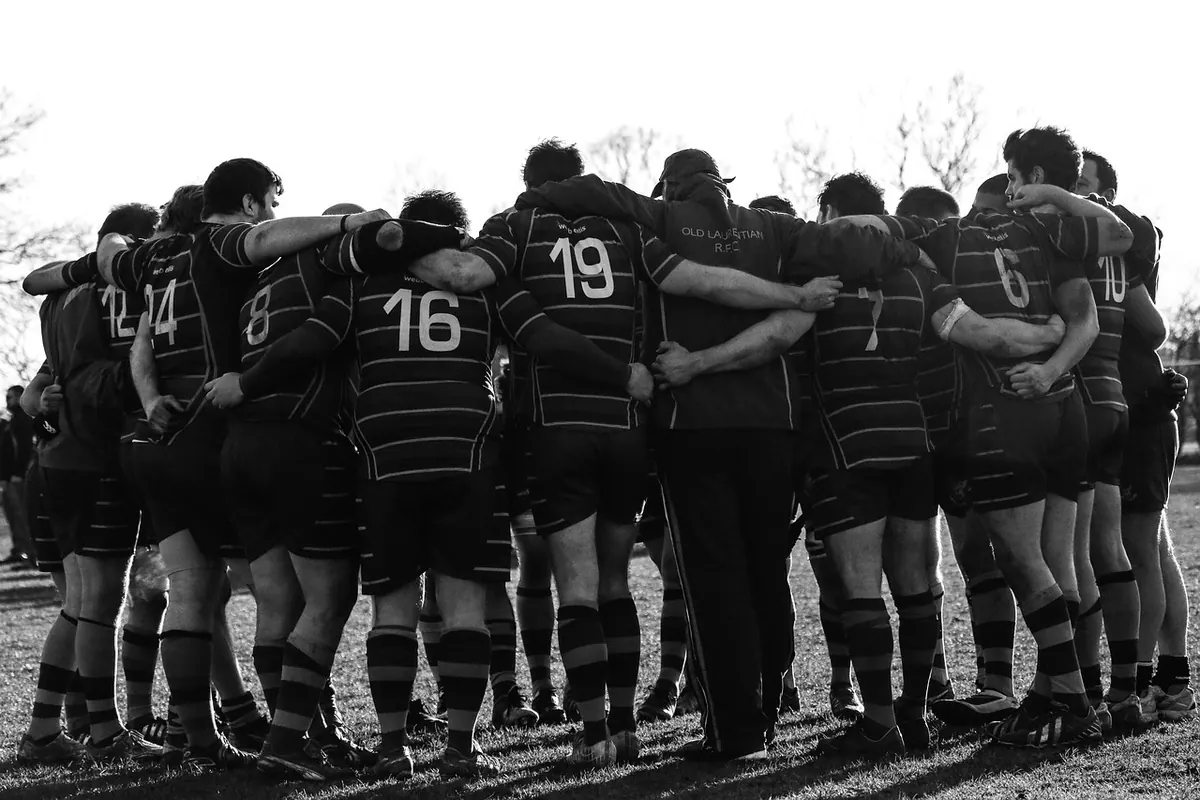
- Treat leadership as a skill. Learn names, share credit, do the small jobs nobody notices, and speak clearly when things go wrong.
- Stay durable. Recovery, sleep, strength work and managing niggles are what keep a player on the field long enough for a career to build.
- Represent more than yourself. Whether you play for a school, a club or a province, you carry people with you — and that responsibility can be a source of energy rather than a burden.
For young players in South Africa and beyond, the practical lesson is straightforward: the first step is getting to training, the second is being someone a coach wants in the squad, and the rest takes years. Kolisi's route from Zwide to two World Cup finals was not a shortcut, and that is exactly what makes it worth studying.
Photo: Camera-man / Pixabay